A Place That Defies Description
The Serengeti is not easily summarized. Covering nearly 15,000 square kilometers of protected savanna in northern Tanzania, it is home to one of the highest concentrations of wildlife on the planet. A UNESCO World Heritage Site and a biosphere reserve, the Serengeti is also the stage for the Great Migration, a remarkable natural phenomenon that sustains predators, scavengers, and the grassland ecosystem itself.
The Great Migration is not a single event but a year-round journey shaped by the rains. Throughout the year, vast herds move across the Serengeti-Mara ecosystem in search of fresh grazing.
From December to March, the herds gather in the southern Serengeti and Ndutu region for calving season, when hundreds of thousands of wildebeest calves are born within a matter of weeks. Between April and June, the migration moves northwest through the Western Corridor, where the herds face the crocodile-filled Grumeti River. From July to October, the drama often reaches its peak in the northern Serengeti, where wildebeest gather along the Mara River for some of the most spectacular and unpredictable wildlife encounters on Earth.
Visitors come for different reasons. Some arrive hoping to witness the drama of a Mara River crossing, as wildebeest plunge into crocodile-filled waters in a breathtaking display of instinct and survival. Others come for the quieter moments: a leopard resting on a branch at dusk, the call of a fish eagle over the Grumeti, or the stillness of the plains at dawn.
What they share is a desire for something real. Something that cannot be replicated in a zoo or fully captured in a documentary.
Something that must be experienced firsthand.
The New Wave of Serengeti Experiences
Golf Ground arrives at a time when the Serengeti is experiencing a new wave of camps, lodges, and immersive safari experiences.
In early 2026, Marriott International's Autograph Collection brand introduced Mapito Safari Camp near the park's Fort Ikoma gate, bringing a distinctive approach to safari hospitality with 15 tented suites and a design inspired by Tanzanian craftsmanship and culture.
Operators such as Paradise & Wilderness have also expanded their presence, with properties including Africa Safari Serengeti Ndutu, overlooking Lake Ndutu in the calving grounds, and Africa Safari Serengeti Kogatende, positioned in the northern Serengeti for access to the Mara River region.
Meanwhile, luxury mobile camps such as Wilderness Usawa Serengeti follow the migration across the ecosystem, relocating seasonally to keep travelers close to the action while offering walking safaris, intimate encounters, and a sense of exclusivity.
This is the landscape into which Golf Ground makes its entrance.
The Serengeti is not static. It continues to evolve, offering new ways for travelers to connect with its extraordinary landscapes, wildlife, and rhythms. Golf Ground adds another chapter to that unfolding story.
What Golf Ground Represents
Today's travelers are increasingly looking for more than a checklist of wildlife sightings. They want meaningful experiences, moments of connection, and the freedom to slow down and let the wilderness set the pace.
The Serengeti rewards those who give it time.
The park supports remarkable populations of wildlife, including thousands of lions and elephants, alongside leopards, buffalo, giraffes, cheetahs, and an astonishing diversity of birdlife. All five members of the Big Five - lion, leopard, elephant, buffalo, and rhinoceros - are present, although rhino sightings remain rare and require considerable patience and luck.
Yet the Serengeti is about far more than its iconic species.
It is about the way the light shifts across the plains at dusk. The distant rumble of hooves as a migration approaches. The anticipation of a morning game drive, followed by a quiet bush breakfast beneath an endless African sky.
These are the moments that transform a safari from a journey into a lasting memory.
We won't reveal everything about Golf Ground today. Some stories are best told in their own time.
But the idea behind Golf Ground begins with a simple premise: the Serengeti deserves to be experienced, not just seen.
Understanding the Serengeti's Seasons
For anyone planning a journey to the Serengeti, whether to experience Golf Ground or witness the Great Migration, timing matters.
The migration follows rainfall and grazing conditions rather than a fixed calendar, which means its movements can vary from year to year. Understanding the seasons can help you decide when and where to visit.
January to March: Calving Season
The southern Serengeti and Ndutu region become the center of the migration as vast herds gather on the nutrient-rich grasslands.
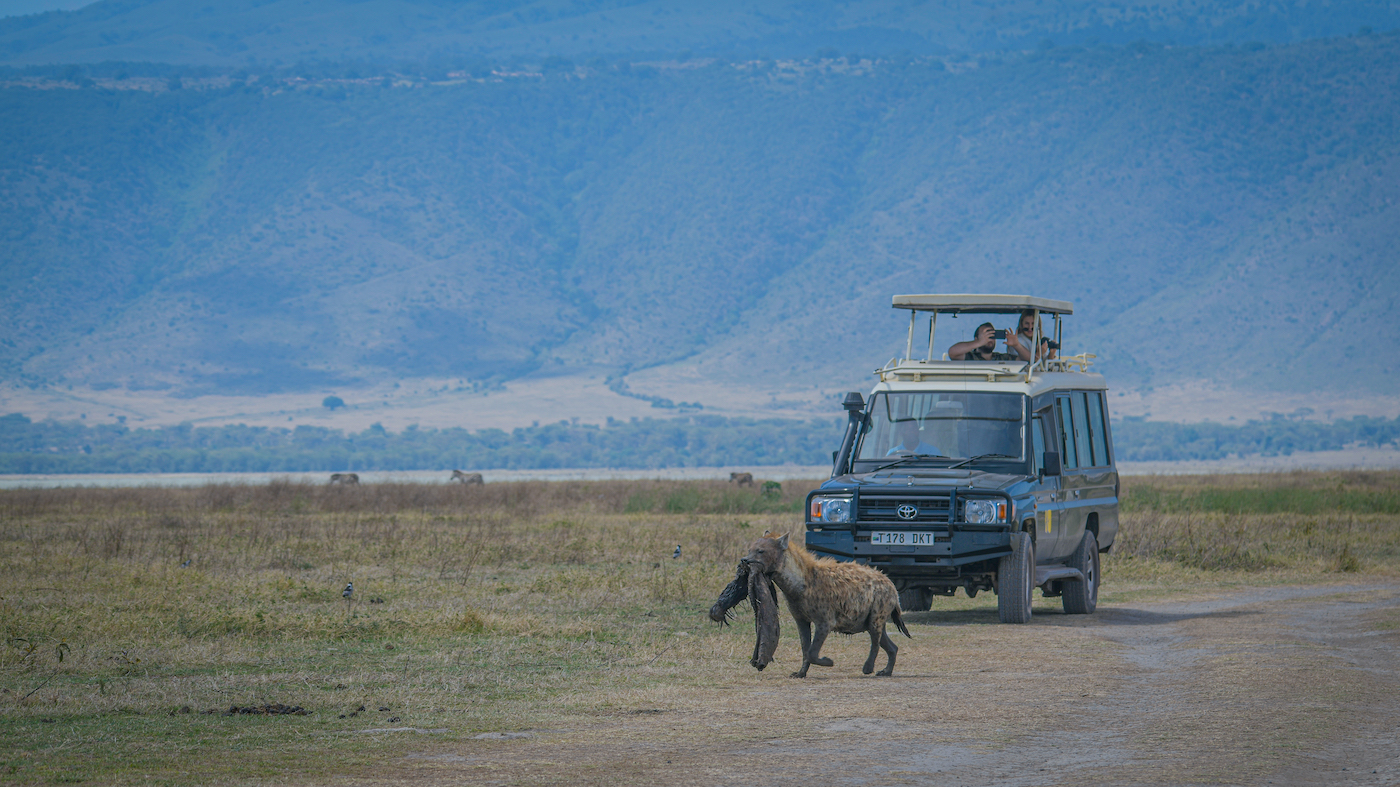
Hundreds of thousands of wildebeest calves are born within a few weeks, creating one of the most remarkable wildlife spectacles in Africa. The abundance of newborn animals also attracts predators, making this an exceptional season for sightings of lions, cheetahs, and hyenas.
April to June: Green Season and the Western Corridor
The long rains transform the Serengeti into a lush landscape of green grass, fresh growth, and dramatic skies.
As grazing conditions change, the herds begin moving northwest toward the Western Corridor and the Grumeti River. Here, crocodiles inhabit the river channels, creating opportunities for extraordinary wildlife encounters. This period also includes the wildebeest mating season, when males compete for dominance and the chance to reproduce.
July to October: Mara River Crossings
For many travelers, this is the most anticipated period of the Great Migration.
The herds move into the northern Serengeti, where they gather along the Mara River. Crossings are unpredictable. Herds may wait for hours before one animal finally enters the water, triggering a rush of wildebeest into the current.
Crocodiles lie in wait, while lions and leopards patrol the surrounding landscape.
The spectacle is intense, dramatic, and entirely governed by nature. No two crossings are ever the same, and there is never a guarantee of witnessing one.
November to December: The Return South
As the short rains begin, the herds gradually turn south toward the southern Serengeti and Ndutu plains.
Fresh grass draws the wildebeest back toward the calving grounds, beginning another cycle in one of nature's most extraordinary journeys.
For travelers, this period can offer excellent wildlife viewing, changing landscapes, and a quieter atmosphere in some parts of the safari circuit.
The Story Begins
Golf Ground is here.
The full picture will emerge in the days and weeks ahead. Until then, we invite you to imagine what it means to stand on the plains of the Serengeti.
The light shifts from pink to gold across the grass. The horizon stretches endlessly into the distance. Somewhere beyond the next ridge, thousands of hooves move across the earth. Around you, the wilderness continues on its own terms, untouched by schedules and indifferent to the passing of time.
For a moment, you are not simply observing nature. You are part of the experience.
The Serengeti has always been a place of stories. Stories of survival, movement, discovery, and connection. Now, a new one begins.
Golf Ground has arrived.
Ready to start planning your Serengeti journey?
Explore our Tanzania safari guides and itineraries here. From the Great Migration and the vast plains of the Serengeti to the turquoise waters and white-sand beaches of Zanzibar, discover the experiences that will define your African adventure.
The Serengeti is waiting. Your story starts here.