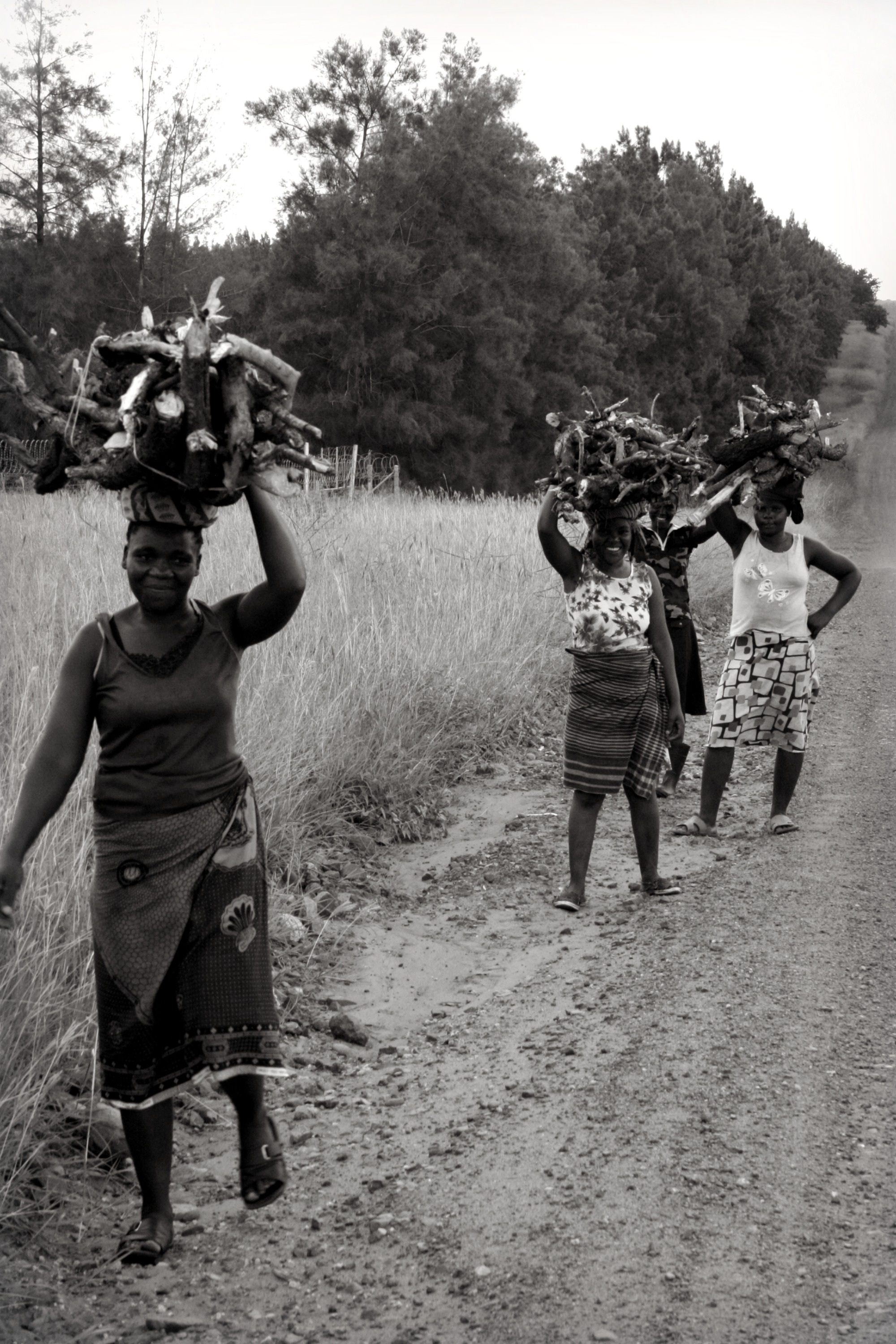
African Indigenous Communities
People, Traditions and Ways of Life
Africa is home to thousands of communities, languages, traditions, and ways of life. From pastoralists and farmers to forest communities, fishing communities, artisans, traders, and modern urban populations, the people of Africa reflect an extraordinary diversity of histories and experiences.
Understanding Africa means looking beyond its landscapes and wildlife to the people who live across the continent. African Indigenous communities have developed detailed knowledge of their environments, adapted to changing climates and landscapes, and passed traditions, skills, stories, and values from one generation to the next.
Who Are Africa's Indigenous Communities?
The term Indigenous peoples can have different meanings across countries and regions. In Africa, it is often used when discussing communities whose cultures, livelihoods, identities, and knowledge are closely connected to particular territories and natural environments.
Africa's Indigenous and local communities have distinct histories and identities. They include pastoralist communities of East Africa, hunter-gatherer peoples of eastern and southern Africa, forest communities of Central Africa, and many agricultural, fishing, and coastal communities.
It is important not to treat these groups as a single culture. Africa's communities are remarkably diverse, with their own languages, histories, social structures, traditions, and relationships with the land.
Traditional Ways of Life in Africa
Traditional livelihoods have historically been shaped by geography, climate, natural resources, and generations of local knowledge.
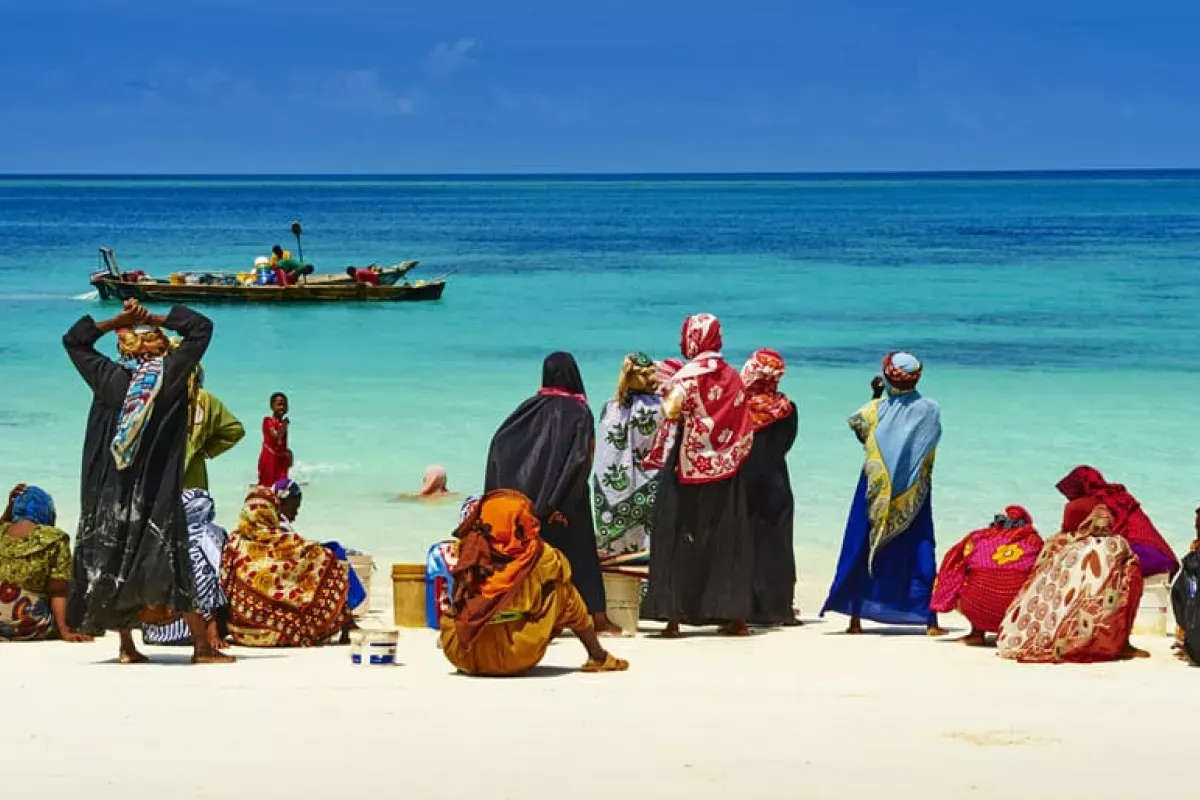
Pastoral communities may depend on cattle, goats, sheep, or camels, moving livestock between grazing areas and water sources. Farming communities cultivate crops suited to local environments, while fishing communities have developed detailed knowledge of rivers, lakes, wetlands, and coastal waters.
In forest regions, communities may combine farming, gathering, fishing, hunting, and trade as part of their livelihoods.
These ways of life are not frozen in time. Education, urbanisation, technology, economic opportunities, climate change, land-use changes, and tourism continue to influence how communities live and work.
Indigenous Knowledge in African Communities
Indigenous and local knowledge is an important part of Africa's cultural heritage.
Generations of experience have produced detailed understanding of plants, animals, weather patterns, soils, water sources, agriculture, livestock, food preparation, and natural resources.
Knowledge is often passed between generations through families and communities. Elders, farmers, pastoralists, fishers, craftspeople, healers, and other specialists may play important roles in preserving and sharing knowledge.
For researchers and students, Indigenous knowledge provides valuable perspectives on African environments and societies. It can also contribute to discussions about conservation, food security, climate adaptation, biodiversity, and sustainable resource management.
Language, Stories and Oral Traditions
Africa is one of the world's most linguistically diverse continents. Languages are closely connected to identity, history, family, place, and cultural expression, example the SWAHILI.
In many communities, oral traditions remain an important way of preserving history and knowledge. Stories, songs, proverbs, praise poetry, ceremonies, and performances can communicate ideas about relationships, morality, leadership, ancestry, nature, and community responsibilities.
These traditions are not simply relics of the past. They continue to evolve as communities interact with modern education, media, technology, migration, and global culture.
Family and Community Life
Family and community relationships play important roles in many African societies, although social structures and practices vary widely.
Extended families may contribute to childcare, education, ceremonies, economic activities, and support throughout different stages of life. Elders can hold important cultural knowledge, while younger generations increasingly combine traditional practices with contemporary education, employment, and technology.
Across Africa, community life is changing. Cities are expanding, people move for education and work, and digital technology is transforming how families and communities communicate and maintain cultural connections.
People and Wildlife Conservation
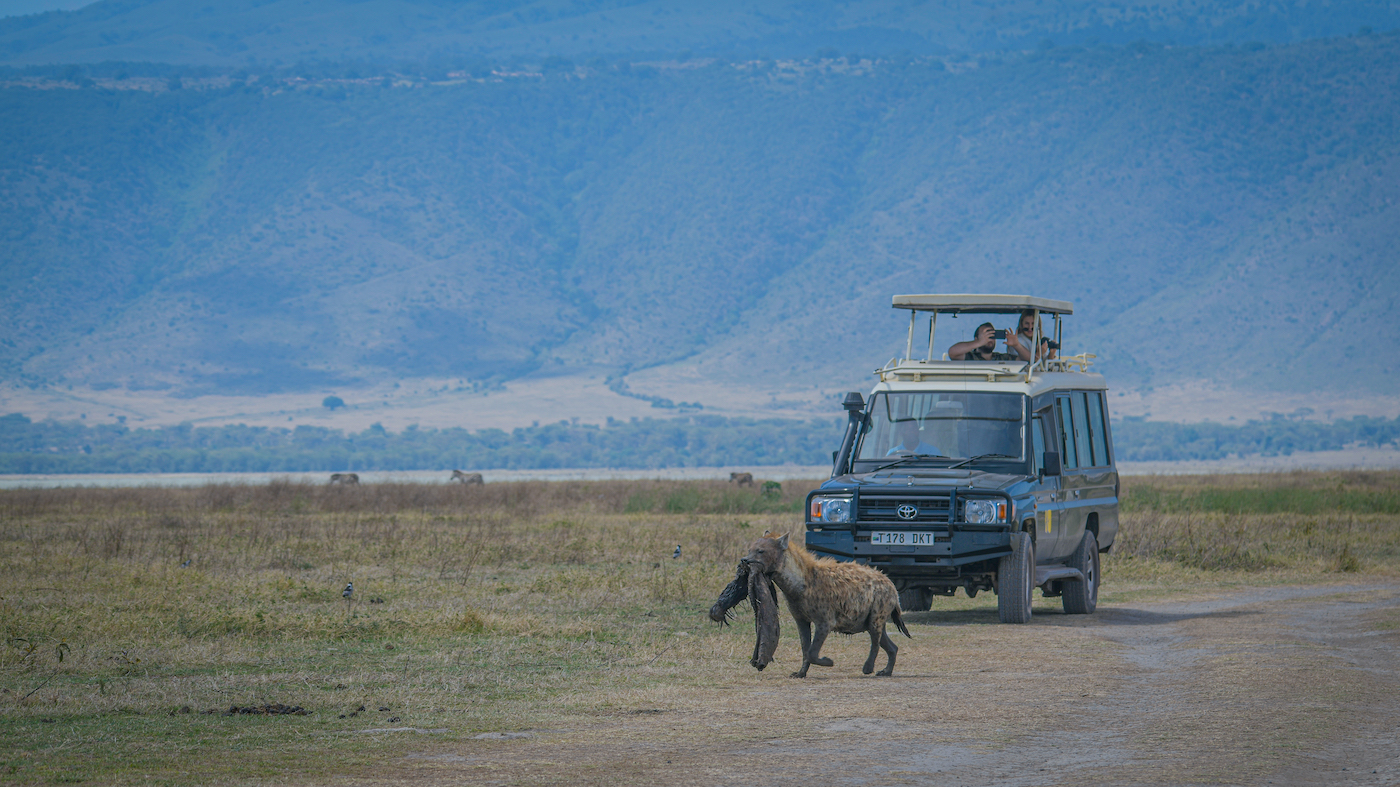
In many parts of Africa, communities live alongside wildlife and within landscapes that are also important for conservation and tourism.
People living near national parks, wildlife areas, forests, and other protected landscapes can have complex relationships with wildlife, conservation authorities, and tourism operators.
Tourism can create employment, support local businesses, contribute to community projects, and encourage cultural exchange. However, responsible tourism requires respect for local communities, their knowledge, their rights, their land, and their priorities.
Community-based conservation initiatives can give local people a stronger role in decisions concerning wildlife, natural resources, and tourism.
African Communities and Tourism
For travellers, meeting local people can be one of the most meaningful parts of an African journey.
A community visit, cultural experience, local market, traditional food experience, craft workshop, or guided walk can provide insights that cannot be gained by simply passing through a destination.
Responsible travellers should approach cultural experiences with curiosity and respect. Authentic cultural tourism should create benefits for communities rather than reduce people and traditions to performances designed only for visitors.
Travellers can support locally owned businesses, follow photography guidelines, ask permission before photographing people, and learn about local customs before participating in cultural activities.
Why African Indigenous Communities Matter
The people of Africa are closely connected to the landscapes that attract travellers from around the world. Communities have shaped agricultural landscapes, grazing systems, settlements, trade routes, cultural sites, and relationships with forests, rivers, lakes, coastlines, and wildlife.
Their knowledge and experiences are also important to Africa's future.
As the continent experiences urbanisation, climate change, biodiversity loss, economic transformation, and changing land-use patterns, understanding how communities adapt and participate in these changes is increasingly important.
For travellers, learning about African communities adds depth to a safari or cultural journey. For researchers and students, communities provide essential perspectives for understanding African history, society, conservation, development, and environmental change.
Experiencing African Culture Responsibly
Travelling through Africa offers opportunities to learn directly from people who call its landscapes home.
When visiting communities:
- Choose locally owned guides, accommodations, and businesses where possible.
- Ask permission before taking photographs or recording people.
- Learn a few words or greetings in the local language.
- Avoid assuming that one community represents an entire country or the continent.
- Respect religious, cultural, and social practices.
- Avoid treating poverty or hardship as a tourist attraction.
- Support authentic, community-led cultural experiences.
- Ask how tourism benefits the local community.
The most meaningful cultural encounters are based on mutual respect, genuine exchange, and a willingness to listen.
The People Behind Africa's Places
Africa's landscapes are often the first thing travellers notice: savannas, forests, mountains, deserts, lakes, rivers, and coastlines.
But behind every landscape are people with histories, families, languages, knowledge, ambitions, and stories.
From pastoral communities of East Africa to farming villages, fishing communities, forest peoples, artisans, entrepreneurs, conservationists, teachers, researchers, and young people building new lives in Africa's cities, the continent's people cannot be understood through a single story.
Exploring Africa through its people offers a deeper way to understand the continent - its past, its present, and the future being created by the generations who call it home.